
06.07.2008, Network Anglican Communion
In the name of God the Father, God the Son and God the Holy Spirit:
We, the participants in the Global Anglican Future Conference, have met in the land of Jesus’ birth. We express our loyalty as disciples to the King of kings, the Lord Jesus. We joyfully embrace his command to proclaim the reality of his kingdom which he first announced in this land. The gospel of the kingdom is the good news of salvation, liberation and transformation for all. In light of the above, we agree to chart a way forward together that promotes and protects the biblical gospel and mission to the world, solemnly declaring the following tenets of orthodoxy which underpin our Anglican identity.
We rejoice in the gospel of God through which we have been saved by grace through faith in Jesus Christ by the power of the Holy Spirit. Because God first loved us, we love him and as believers bring forth fruits of love, ongoing repentance, lively hope and thanksgiving to God in all things.
Vydávání Monitoru je financováno výhradně z dobrovolných darů Vás, čtenářů. Budeme vděční, pokud se rozhodnete Monitor podpořit darem, abychom mohli v této službě pokračovat.
We uphold the four Ecumenical Councils and the three historic Creeds as expressing the rule of faith of the one holy catholic and apostolic Church.
We uphold the Thirty-nine Articles as containing the true doctrine of the Church agreeing with God’s Word and as authoritative for Anglicans today.
We gladly proclaim and submit to the unique and universal Lordship of Jesus Christ, the Son of God, humanity’s only Saviour from sin, judgement and hell, who lived the life we could not live and died the death that we deserve. By his atoning death and glorious resurrection, he secured the redemption of all who come to him in repentance and faith.
We rejoice in our Anglican sacramental and liturgical heritage as an expression of the gospel, and we uphold the 1662 Book of Common Prayer as a true and authoritative standard of worship and prayer, to be translated and locally adapted for each culture.
We recognise that God has called and gifted bishops, priests and deacons in historic succession to equip all the people of God for their ministry in the world. We uphold the classic Anglican Ordinal as an authoritative standard of clerical orders.
We acknowledge God’s creation of humankind as male and female and the unchangeable standard of Christian marriage between one man and one woman as the proper place for sexual intimacy and the basis of the family. We repent of our failures to maintain this standard and call for a renewed commitment to lifelong fidelity in marriage and abstinence for those who are not married.
We gladly accept the Great Commission of the risen Lord to make disciples of all nations, to seek those who do not know Christ and to baptise, teach and bring new believers to maturity.
We are mindful of our responsibility to be good stewards of God’s creation, to uphold and advocate justice in society, and to seek relief and empowerment of the poor and needy.
We are committed to the unity of all those who know and love Christ and to building authentic ecumenical relationships. We recognise the orders and jurisdiction of those Anglicans who uphold orthodox faith and practice, and we encourage them to join us in this declaration.
We celebrate the God-given diversity among us which enriches our global fellowship, and we acknowledge freedom in secondary matters. We pledge to work together to seek the mind of Christ on issues that divide us.
We reject the authority of those churches and leaders who have denied the orthodox faith in word or deed. We pray for them and call on them to repent and return to the Lord.
We rejoice at the prospect of Jesus’ coming again in glory, and while we await this final event of history, we praise him for the way he builds up his church through his Spirit by miraculously changing lives.
16.09.2026, RC Monitor 17/2026
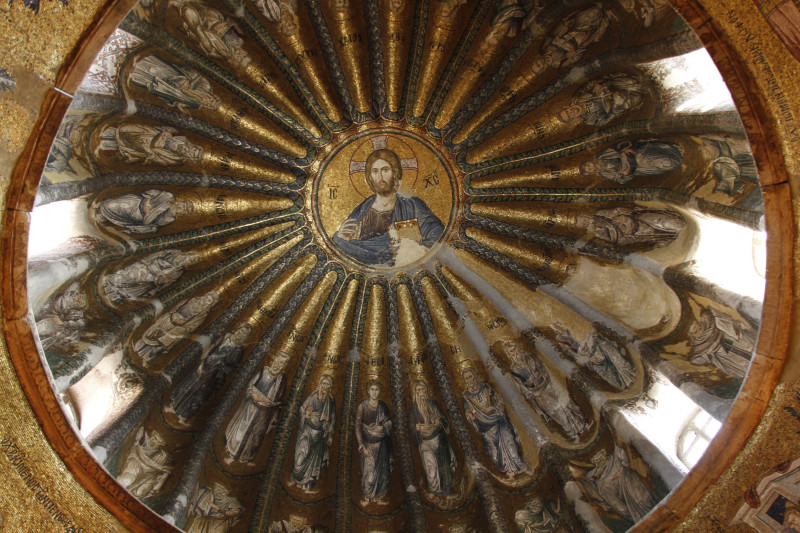
Toto evangelium, tedy úvodní část radostné zvěsti sepsaná svatým Matoušem, je výpovědí o tom, jak z kalného pramene vyvádí Bůh nejčistší potůček. Jak na zapleveleném záhoně vykvetla nejkrásnější růže. Jak z kmene, zasaženého prvotní poruchou – hříchem – vypučel přečistý květ, který nadpřirozeným způsobem, přímou mocí Boží – ano, u Boha je všechno možné, jak později řekl anděl Gabriel – nese ovoce nejdrahocennější: poslední pokrevní potomek Abrahámův byl muž Marie, z níž se narodil Ježíš, nazývaný Kristus. Ten, který se nazývá Syn člověka.
16.10.2026, RC Monitor 19/2026
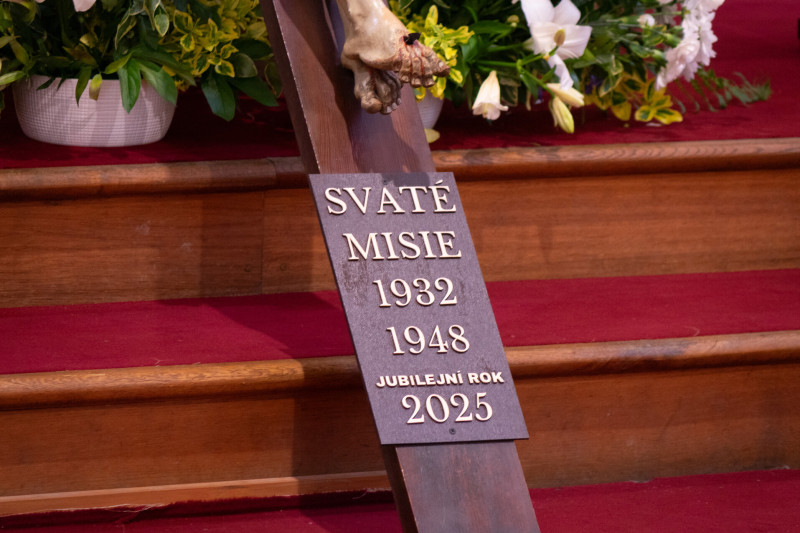
Když se řekne misie, často si představíme evangelizaci v dalekých zemích, kde lidé ještě neznají Krista. A jistě právem: úkol církve nést evangelium do celého světa zůstává stále aktuální. Ne všichni však můžeme odejít na misijní území. Poslání křesťana je mnohem širší.
28.10.2026, RC Monitor 20/2026
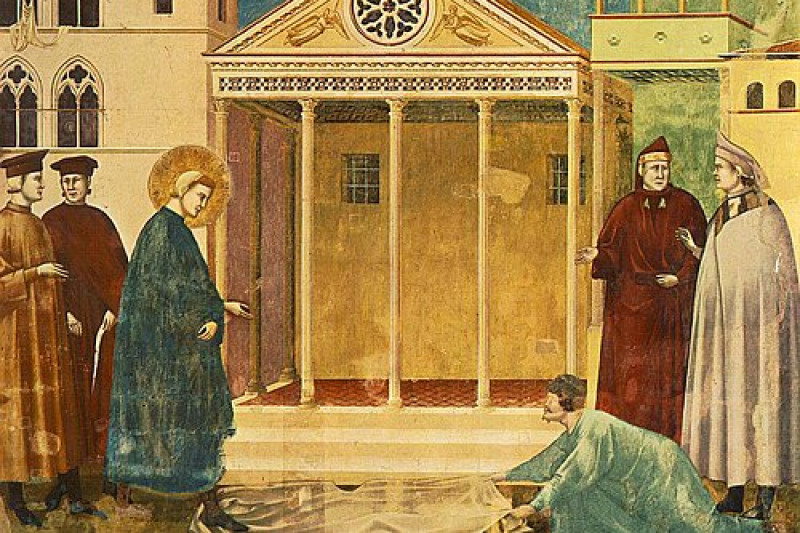
Milí čtenáři, cítíte se svobodně? To je dobře, pokud ano. Jistěže nás svazuje mnoho příkazů a zákazů, kterým se učíme od malička. Většinou je to ku společenskému prospěchu. Svoboda byla vždy považována za velkou hodnotu, za níž mnoho milionů lidí zaplatilo svým životem. V tom smyslu jsem též liberální.
10.11.2026, RC Monitor 20/2026
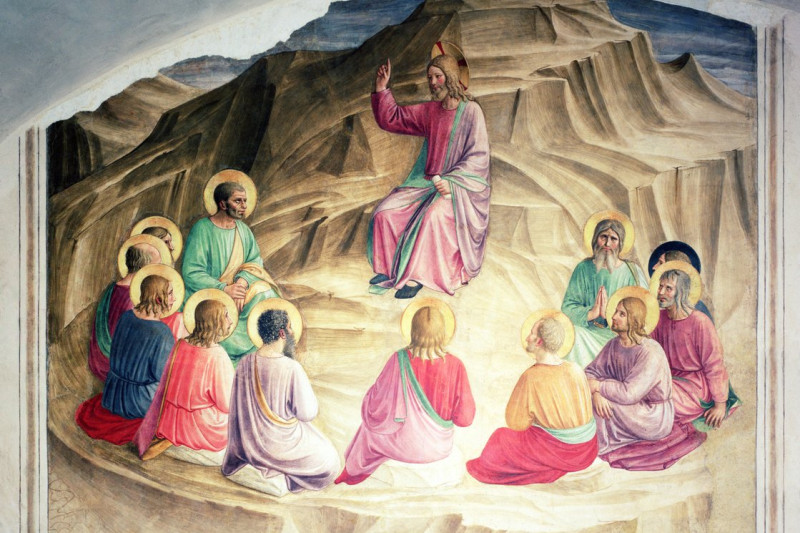
Darování Božího jména člověku není pouhou teoretickou pravdou ani něco, co uctíváme pouze v liturgii. Dává nám tu výsadu zakusit tajemství nejvyšší důvěrnosti a blízkosti, které se chce hluboce zrcadlit nejen v řádu naší lidské řeči, ale celistvě v našich každodenních vztazích. Druhé přikázání nás volá k tomu, abychom posvátnost Boží přítomnosti vnášeli do každého vysloveného slova. To se v praktickém životě křesťana nejvýrazněji projevuje ve dvou klíčových oblastech: v závaznosti našich lidských slibů a v upřímnosti naší osobní komunikace s Bohem.
23.10.2026, RC Monitor 19/2026
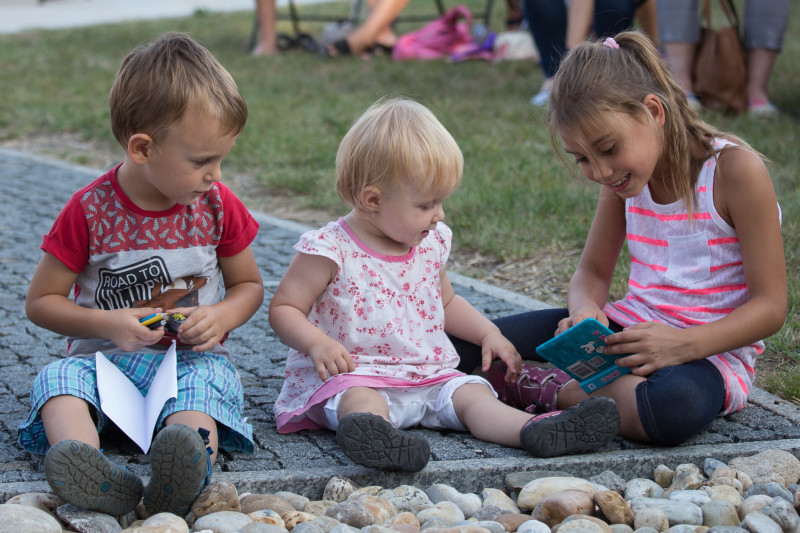
Občas se dívám na televizi, hlavně pozdě večer, když nemůžu spát, ale není to moudrý zvyk. Filmy nebo seriály jsou prošpikovány reklamami, které trvají tak dlouho, že zapomenete, na co jste se dívali. Jediné, co z tohoto zlozvyku dobrého vyplývá, že mohu, jak se dříve říkávalo, držet prst na tepu doby. Výmluvné jsou hlavně reklamy, kde účinkují děti.
12.11.2026, RC Monitor 21/2026
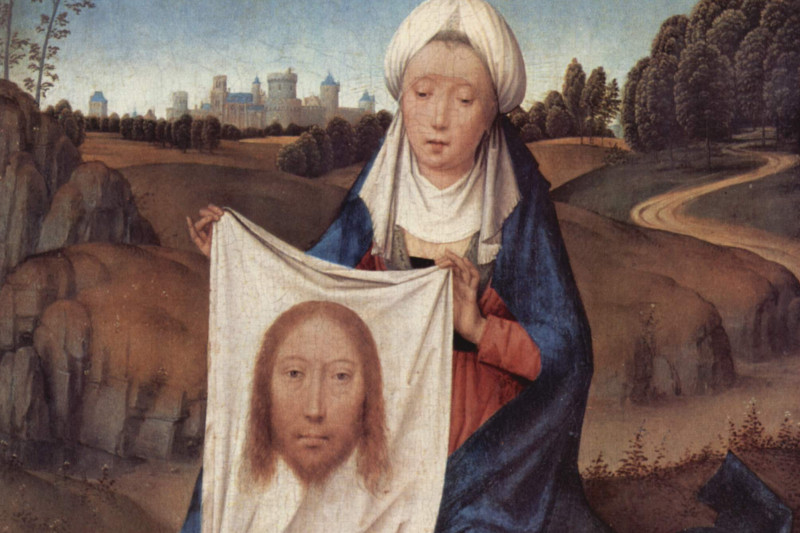
Když ztratíme klíče, obracíme se ke svatému Antonínovi. Při nemocech krku vzýváme svatého Blažeje, hasiči mají svého patrona ve svatém Floriánovi a kněží ve svatém Janu Marii Vianneyovi. Katolická tradice zná patrony jednotlivých profesí, měst, zemí, nemocí i nejrůznějších životních situací. Mají ale svatí v nebi skutečně rozdělené kompetence? A má vůbec smysl obracet se na konkrétního světce s konkrétní prosbou?
Články e-mailem
Nové články přímo
do vaší e-mailové schránky
Čtrnáctideník Monitor
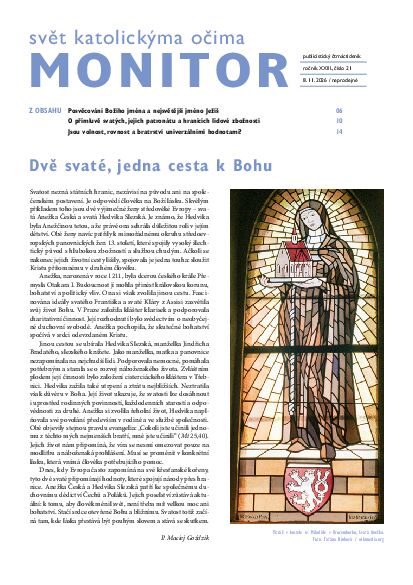
Tištěný publicistický čtrnáctideník Monitor bude ve vaší poštovní schránce každý druhý pátek. Zasílání je bezplatné a je hrazené výhradně z darů čtenářů.